The biggest opportunities in the forex market often come to traders who understand how large financial institutions influence price movements. Instead of relying only on common indicators, many traders prefer learning how market structure, liquidity, and institutional behavior affect trading decisions.
This approach has gained popularity because it focuses on understanding the reasons behind market movements rather than simply reacting to price changes. This article explains the importance of institutional trading principles, highlights essential concepts for better market analysis, and discusses how consistent learning can improve trading knowledge over time.
Understanding the Basics of smart money trading strategy
A smart money trading strategy focuses on identifying the actions of major market participants such as banks, hedge funds, and financial institutions. These participants often create significant price movements because of the large volume of their trades. Learning to recognize these movements can help traders understand potential market direction more effectively.
This approach encourages studying liquidity zones, market structure, order blocks, and price imbalances instead of depending entirely on traditional indicators. Although no strategy guarantees success, understanding institutional behavior provides a more structured way to analyze market conditions. Patience, discipline, and proper risk management remain essential parts of this trading style.
The Importance of Market Structure
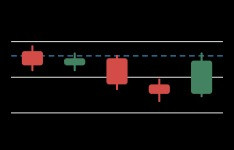
Market structure is one of the most valuable concepts for understanding price behavior. It involves identifying higher highs, higher lows, lower highs, and lower lows to determine whether the market is trending upward, downward, or moving sideways.
A clear understanding of market structure helps traders recognize possible continuation or reversal points. Instead of entering trades randomly, traders can make decisions based on logical market movement. This method also improves confidence because every trading decision is supported by technical reasoning rather than emotion.
Liquidity also plays a major role in price movement. Financial institutions often seek areas where many buy or sell orders exist before making larger moves. Recognizing these areas helps traders better understand why prices frequently move in unexpected ways before continuing in the original direction.
Building Consistency Through Education
Learning forex trading requires continuous practice and realistic expectations. Successful traders usually spend significant time studying charts, reviewing previous trades, and improving their understanding of market behavior.
Developing a written trading plan can improve discipline by defining entry conditions, exit rules, and acceptable risk levels. Maintaining a trading journal also helps identify recurring strengths and weaknesses. Over time, careful review of completed trades provides valuable lessons that contribute to better decision-making.
Risk management remains equally important. Protecting trading capital by limiting losses allows traders to remain active in the market during both favorable and challenging conditions. Long-term consistency often depends more on disciplined execution than on finding perfect trade entries.
Learning Through a smart money concepts course
A structured smart money concepts course can provide organized learning for traders who want to understand institutional trading methods in greater detail. Such educational programs often explain advanced topics including liquidity analysis, order blocks, fair value gaps, mitigation zones, and market structure shifts.
Instead of learning disconnected techniques from multiple sources, structured education allows traders to follow a logical progression from basic concepts to more advanced applications. Practical chart examples and historical market analysis can improve understanding and help learners apply theoretical knowledge to real market situations.
Continuous practice remains essential after completing any educational program. Knowledge becomes more valuable when combined with consistent chart study, disciplined execution, and regular performance evaluation.
Conclusion
Institutional trading concepts offer a structured framework for understanding how financial markets operate. Market structure, liquidity analysis, disciplined execution, and effective risk management all contribute to stronger trading decisions over time. Reliable educational resources can also support long-term improvement, and fxliquidityhub.com serves as one example of a website that traders may explore while expanding their market knowledge.
Ultimately, success comes from continuous learning, consistent practice, emotional discipline, and applying well-tested principles with patience rather than expecting immediate results. The second mention of smart money trading strategy and smart money concepts course highlights the importance of combining practical experience with structured learning to build lasting trading confidence.