Successful gold trading depends on more than luck because every market movement tells a story through price behavior. Traders who understand market structure, trend direction, and key price levels are often better prepared to make informed trading decisions. Gold remains one of the world's most actively traded financial instruments due to its global demand, economic importance, and sensitivity to major financial events.
Learning how to analyze price movement helps traders improve discipline, reduce emotional decision-making, and develop consistent trading habits. This article explains the importance of price action analysis, understanding market trends, identifying critical trading levels, and strengthening trading strategies through careful market observation.
Understanding Price Action in Gold Trading
Learning an effective xauusd price action strategy helps traders focus on actual market movement rather than relying entirely on technical indicators. A well-planned xauusd price action strategy studies candlestick patterns, market structure, trend direction, and momentum to identify potential trading opportunities.
Price action analysis allows traders to observe how buyers and sellers interact around important price levels. This method encourages patience because traders wait for confirmation before entering positions instead of reacting to every market fluctuation.
Studying historical price behavior also helps traders recognize repeating market patterns that may appear under similar trading conditions.
Consistent observation strengthens confidence while supporting more disciplined trading decisions.
The Importance of Market Structure
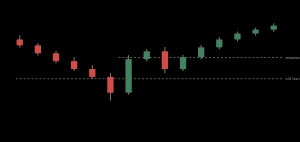
Understanding market structure provides valuable insight into trend direction and overall market sentiment. Higher highs and higher lows generally indicate an upward trend, while lower highs and lower lows often suggest downward market movement.
Recognizing consolidation zones also helps traders identify periods when the market is preparing for a potential breakout or reversal. Careful observation of these formations allows traders to avoid unnecessary trades during uncertain conditions.
Market structure analysis supports better timing while helping traders develop greater confidence in their trading plans.
Patience remains one of the most valuable qualities for successful trading.
Managing Risk Effectively
Risk management is one of the most important aspects of long-term trading success. Even experienced traders understand that every trade carries uncertainty regardless of market conditions.
Setting appropriate stop-loss levels, controlling position sizes, and maintaining realistic profit expectations help protect trading capital. Following a structured trading plan reduces emotional decision-making during periods of market volatility.
Successful traders focus on consistency rather than attempting to predict every market movement perfectly.
Discipline often contributes more to long-term success than frequent trading activity.
Building a Consistent Trading Routine
Developing a structured routine allows traders to analyze markets more objectively. Reviewing economic news, studying price charts, identifying trends, and waiting for quality trade setups improve overall decision-making.
Maintaining a trading journal also helps traders evaluate previous trades and identify areas for continuous improvement. Reviewing successful and unsuccessful trades encourages better learning while strengthening future performance.
Regular practice builds confidence through experience rather than relying on emotions.
A disciplined routine supports steady skill development over time.
Using Support and Resistance for Better Decisions
Studying xauusd support and resistance helps traders recognize important price areas where buying or selling pressure may increase. Accurate identification of xauusd support and resistance allows traders to evaluate possible entry points, exit strategies, and potential trend reversals with greater confidence.
Support and resistance levels often become valuable reference points when combined with price action analysis and market structure. Waiting for confirmation near these levels helps traders avoid impulsive decisions while improving trade quality.
Careful observation of key price zones supports more balanced and informed trading decisions across changing market conditions.
Conclusion
Gold trading requires patience, discipline, careful analysis, and continuous learning. Understanding price action, recognizing market structure, managing risk effectively, maintaining consistent routines, and identifying important price levels all contribute to stronger trading decisions.
Traders seeking additional educational resources and market information may also explore fxliquidityhub.com while continuing their learning journey. Building knowledge through consistent practice and disciplined analysis creates a stronger foundation for making informed trading decisions and developing long-term confidence in the financial markets.